 midas media.
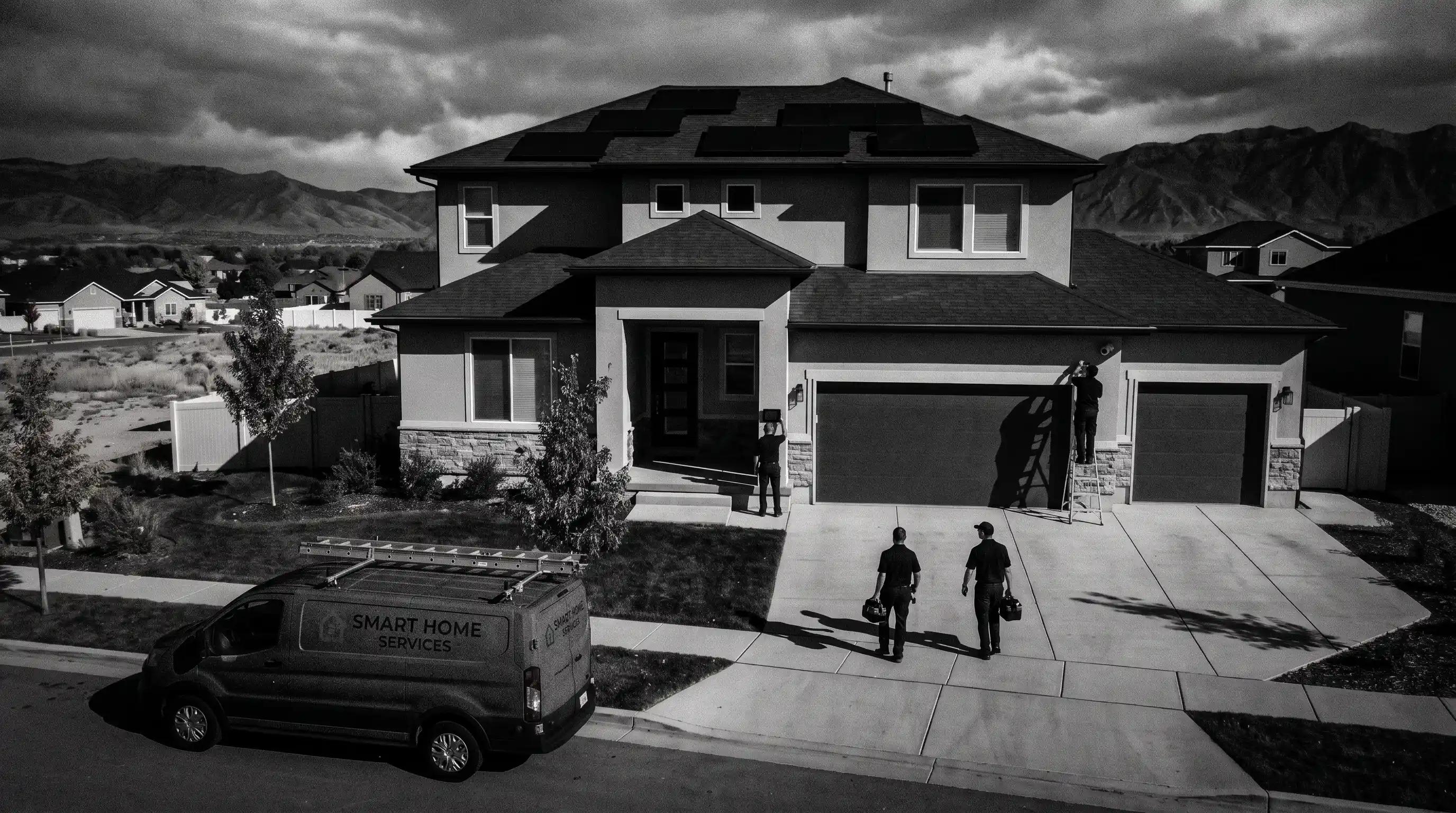
Utah's housing market has always moved fast, but 2026 feels different. Along the Silicon Slopes corridor, homeowners aren't just remodeling kitchens or replacing HVAC units, they're asking for connected locks, app-based climate control, integrated lighting, leak detection, EV-ready panels, and full-home automation that actually works day to day. From Lehi to Draper to Park City, we're seeing a clear shift: smart-home upgrades are becoming part of mainstream home improvement, not a niche add-on. For contractors, that matters. It changes what homeowners expect, what projects sell, and where the most profitable service expansion opportunities are opening up.
What Is Driving The Smart-Home Upgrade Wave In Silicon Slopes
Several forces are colliding at once in Utah. First, Silicon Slopes has brought a dense concentration of tech-forward homeowners into markets like Lehi, South Jordan, Draper, and American Fork. These buyers are used to frictionless digital experiences. If they can control work, banking, and security from a phone, they expect their homes to work the same way.
Second, much of the Wasatch Front housing stock is in a prime upgrade window. Newer homes already have decent electrical infrastructure and Wi-Fi coverage, which makes adding smart thermostats, cameras, occupancy sensors, motorized shades, and connected irrigation easier than it was five or ten years ago. And in older neighborhoods, homeowners are using renovation cycles to modernize systems all at once.
Third, utility costs and efficiency concerns are pushing demand. Smart-home technology is no longer just about novelty: it's tied to comfort, energy management, and prevention. Remote shutoff valves, humidity monitoring, zoning controls, and panel upgrades feel practical, especially in households with high-value homes or second properties.
We're also seeing influence from design and renovation media. Homeowners browsing sources like trusted renovation advice increasingly arrive with specific expectations about integrated living, not just isolated products. For contractors, that means the conversation starts earlier, and at a higher level, than it used to.
Which Smart-Home Improvements Homeowners Are Prioritizing Most
Not every smart-home feature carries the same urgency. In Utah, homeowners are prioritizing upgrades that solve real problems: safety, convenience, efficiency, and home value. The winning projects tend to be the ones that fit into services contractors already provide, electrical work, HVAC replacements, plumbing protection systems, solar integration, outdoor lighting, remodeling, and access control.
What's notable in 2026 is that buyers are asking for connected systems, not standalone gadgets. They don't want six apps and three brands fighting each other. They want one seamless process, installed correctly, documented clearly, and supported locally.
Security, Access, And Monitoring Upgrades
Security leads the list because it's easy to understand and easy to justify. Video doorbells, smart locks, driveway cameras, gate controls, package monitoring, glass-break sensors, and remote garage access are no longer luxury-only requests. For many homeowners, especially frequent travelers, dual-income families, and owners of high-end properties, they're baseline upgrades.
This is especially true in fast-growth neighborhoods and high-value communities where convenience and peace of mind matter as much as deterrence. Homeowners want to grant access to dog walkers, cleaners, and delivery services without handing out physical keys. They also want instant alerts when something changes at the property.
For contractors, these jobs often open the door to broader scope. A camera install can lead to low-voltage work, lighting control, Wi-Fi optimization, and outdoor power upgrades. And once a homeowner sees one system working well, upsells become a lot easier.
Energy, Comfort, And Whole-Home Automation Improvements
The second major category is comfort-driven automation. Smart thermostats are still common, but the bigger opportunity is whole-home integration: zoning, air-quality sensors, humidity balancing, automated blinds, lighting scenes, smart ceiling fans, EV charger coordination, irrigation controls, and energy monitoring tied to solar or battery systems.
Utah's climate makes these upgrades practical. Homeowners deal with hot summers, cold winters, strong sun exposure, and elevation-related comfort issues. If a system can reduce hot upstairs bedrooms, cut waste during shoulder seasons, or prevent frozen-pipe damage during travel, it stops feeling optional.
This is where higher-ticket service trades have an advantage. HVAC companies can bundle controls with replacement systems. Electricians can position panel upgrades as the foundation for EV chargers, backup power, and automation. Landscapers can tie irrigation intelligence to weather responsiveness. Remodelers can make hidden infrastructure part of the design conversation from the start.
Why Local Home Service Contractors Are Expanding Into Smart-Home Solutions
For Utah contractors, smart-home demand isn't just a trend to watch, it's a margin opportunity. Homeowners already trust the trades installing the underlying systems. If you're the electrician upgrading a panel, the HVAC company replacing equipment, or the plumber installing leak protection, you're in the best position to offer the connected layer too.
That expansion also makes competitive sense. Shared-lead platforms push contractors into price wars, but specialized upgrade services create differentiation. A roofer talking only about shingles sounds replaceable. A contractor who understands weather resilience, attic sensors, heat cables, and whole-home monitoring sounds modern, and harder to compare line by line.
We see this every day across the Wasatch Front. The contractors winning attention in local search are the ones presenting themselves as complete problem-solvers, then following up fast. In a market shaped by digital-first buyers, instant response systems and automated booking matter because homeowners often choose the first credible company that answers clearly.
There's also a licensing and compliance angle. As projects grow more technical, homeowners become more aware of credentials. Industry standards and state oversight still matter, which is why references to organizations like the contractor licensing community help reinforce professionalism. Smart-home work may feel modern, but trust still gets built the old-fashioned way: competence, documentation, and clean execution.
What Homeowners Should Look For Before Hiring A Smart-Home Upgrade Provider
Homeowners may love the idea of a connected home, but many have already been burned by glitchy products or installers who disappear after the job. That creates an opening for serious contractors, if they know how to position themselves.
First, homeowners should ask whether the provider understands both the device and the house. A smart thermostat is useless if duct design is poor. A leak sensor helps, but a whole-home shutoff system installed by a strong plumbing team is far more valuable. A camera network sounds great until the Wi-Fi coverage is weak or exterior placements are wrong.
Second, they should look for local credibility. Reviews, complaint history, and transparent communication still carry weight: many consumers use sources like the BBB directory as part of their screening process. That doesn't replace technical evaluation, but it helps signal whether a company is established and accountable.
Third, homeowners should ask practical questions:
- Which platforms do you recommend, and why?
- Will the system scale if we add devices later?
- What happens if Wi-Fi goes down?
- Who handles troubleshooting after installation?
- Are there monthly fees or software limitations?
- Will you train us before closing out the job?
The best providers simplify complexity. They don't oversell gadgets. They map solutions to the home, the family's habits, and the service life of the equipment already in place.
For contractors, this is where marketing and operations meet. If your website, local visibility, and intake process feel outdated, homeowners may assume your installation standards are too. That's one reason strong local SEO strategy matters so much in places like Salt Lake County and Utah County: the shortlist gets built online before the first estimate is scheduled.
Conclusion
The smart-home upgrade wave in Utah is really a bigger story about homeowner expectations catching up with technology. In 2026, Silicon Slopes buyers want safer, more efficient, more connected homes, and they want qualified local contractors to make that happen. For high-ticket service businesses, the takeaway is simple: smart-home capability isn't a side offering anymore. It's becoming part of the modern service stack.