 midas media.
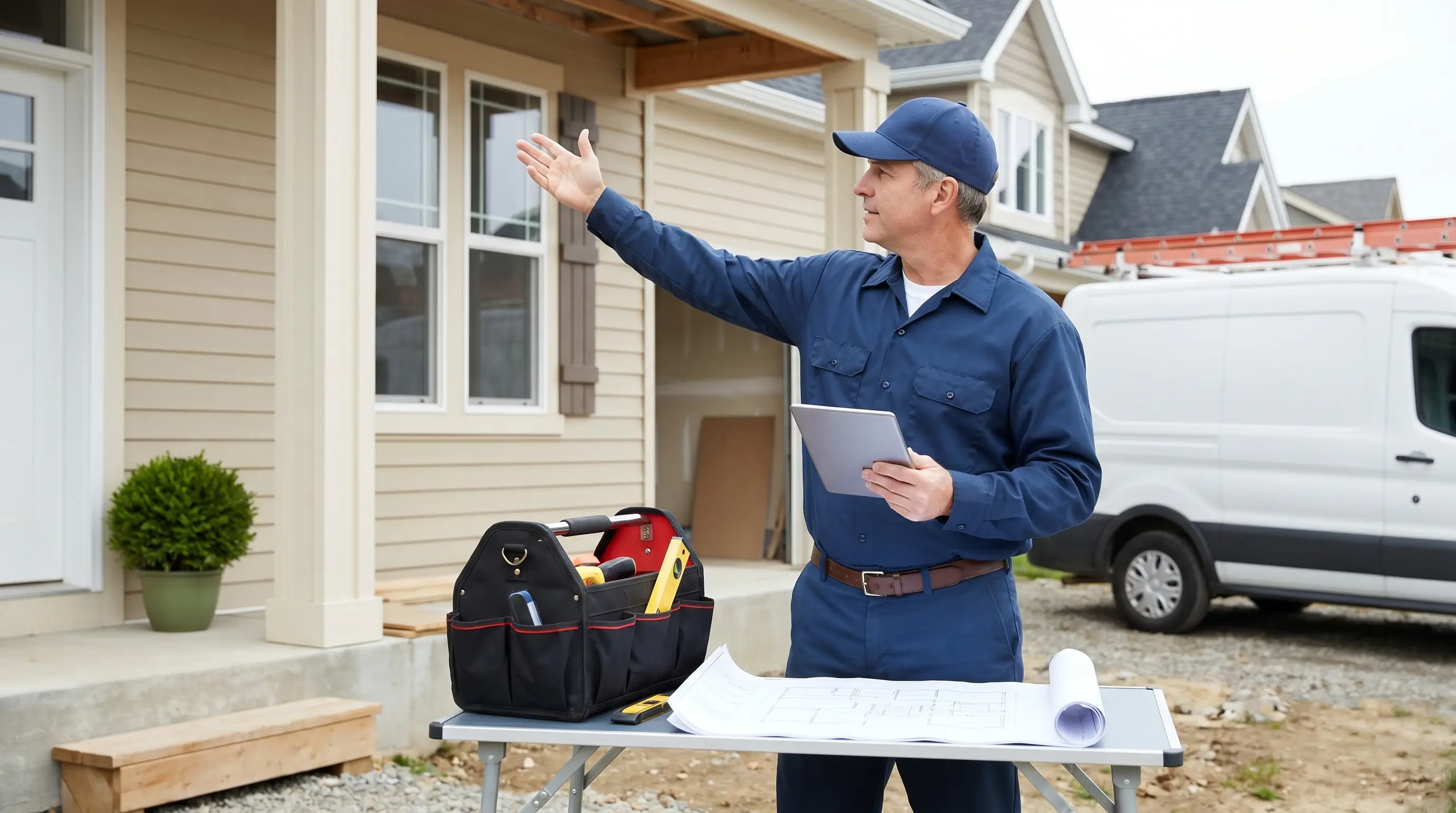
If you've ever thought, "I need better marketing for my business," the real question isn't whether you should market more. It's whether your marketing is attracting the right homeowners, in the right neighborhoods, for the right jobs. For high-ticket home service contractors, random leads usually mean wasted time, underpriced jobs, and crews sitting idle between bigger opportunities. In 2026, the contractors winning local markets are the ones building a focused lead system, one that turns urgent searches and premium projects into booked estimates, not just clicks.
Start With The Right Marketing Goal For Your Business

Too many contractors start with tactics before they set a real business goal. We've seen it over and over: "Let's run Google Ads" sounds like a plan, but it's not a target.
The better starting point is simple: decide what growth actually looks like. Do we want 10 more booked estimates per month? Do we want to fill a second install crew? Do we want to shift from low-margin repair work into replacements, remodels, or premium upgrades?
That matters because marketing for my business means something different for a roofer chasing storm work than it does for a landscaper selling $80,000 outdoor living projects. If the goal is fuzzy, the campaign gets fuzzy too.
In practice, we want a number, a timeline, and a job type. For example: 12 booked estimates a month for whole-home repipes in two target zip codes. Now we have something we can build around. That's when marketing stops being "busy work" and starts acting like a growth plan.
Know Which Jobs, Service Areas, And Customers Are Most Profitable
Not every lead is worth the same. A packed calendar can still hide bad margins if most of the work is small-ticket, far from your core service area, or tied up in price-shopping homeowners.
We need to identify three things:
- Best jobs: replacements, remodels, repipes, premium roofing systems, stamped concrete, solar installs, finished basements
- Best areas: neighborhoods where homeowners have both need and budget
- Best customers: people who value speed, trust, and quality over the cheapest bid
This is where local nuance matters. In Utah, for example, messaging in Daybreak or South Jordan should look different than messaging in Sugar House or Park City. HOA concerns, historic preservation, snow loads, lot size, and home values all change what homeowners respond to.
The point is to market the work you want more of. If your most profitable jobs come from structural drainage fixes, emergency HVAC replacements, or five-figure landscape builds, your campaigns should be built around those, not generic "we do everything" messaging.
Build A Local Marketing Foundation That Turns Searches Into Leads
Before we chase every new channel, we need a local foundation that converts high-intent demand. For most contractors, that starts with three pieces: Google Business Profile, local SEO, and a website built to book action.
Your Google Business Profile should be fully optimized with service categories, recent photos, review velocity, service-area details, and answers to common questions. A weak profile loses calls to competitors before a homeowner even reaches your site.
Then there's local SEO. We want pages for each core service and service area, written for how people actually search: emergency plumber near me, roof replacement in Sandy, basement finishing in Lehi. Those pages should reflect real local concerns, not copy-paste fluff.
Finally, your site has to convert. Fast load times, mobile-first design, click-to-call buttons, short forms, trust signals, financing options, and proof of past work all matter. If the site looks polished but doesn't help people take the next step, it's decoration, not marketing.
Use The Best Marketing Channels For High-Ticket Home Services
The best channels are usually the ones tied to intent, trust, and speed.
Google Search Ads are still one of the strongest plays for emergency and high-intent demand. When an AC dies in July or a roof leaks after a storm, homeowners aren't browsing for fun. They're searching to hire.
Local SEO and Maps drive steady inbound demand over time, especially for contractors who want to reduce dependence on paid traffic.
Remarketing helps bring back people who visited your site, watched a video, or clicked an ad but didn't contact you the first time.
Video content is increasingly important in 2026. Clean job-site footage, owner introductions, before-and-after walkthroughs, and short educational clips build trust fast.
And frankly, shared-lead platforms are often a race to the bottom. Many contractors are tired of paying for leads sold to several competitors at once. That's why agencies like Midas Media lean into exclusive territory protection and direct-to-consumer lead systems instead of sending contractors into bidding wars.
How To Improve Conversion From Lead To Booked Estimate
Getting the lead is only half the battle. A lot of revenue disappears between the first call and the actual estimate.
Speed matters most. If we respond five minutes from now instead of two hours from now, the odds of booking usually jump. Homeowners contact multiple companies, especially for roofing, plumbing, HVAC, and electrical. The first contractor who sounds credible and available often wins.
A few practical fixes make a big difference:
- Instant call answering or rapid callback systems
- Automated SMS follow-up after form submissions
- Easy online scheduling
- Clear scripts for office staff
- Strong pre-qualification without sounding robotic
The tone matters too. People don't want to feel processed. They want to feel helped.
This is one reason AI-powered speed-to-lead tools are gaining traction. Used well, they don't replace your team: they make sure no serious homeowner gets ignored while you're on a job site. More booked estimates often come from better follow-up, not more ad spend.
Track The Numbers That Actually Show Marketing ROI
If we can't measure it, we'll eventually waste money on it.
The problem is that many contractors track surface-level metrics, clicks, impressions, traffic, and assume that means the marketing is working. Those numbers can be useful, but they don't pay for trucks, payroll, or materials.
The numbers that matter more are:
- Cost per lead
- Cost per booked estimate
- Show rate
- Close rate
- Average job value
- Revenue by channel
- Return on ad spend
- Customer acquisition cost
We should also track lead quality by campaign. A campaign bringing in 20 weak inquiries is often worse than one bringing in 6 serious buyers.
For high-ticket trades, even a small lift in conversion can create outsized returns. One extra booked basement renovation, reroof, or solar project can cover an entire month of marketing.
That's why performance guarantees get attention in this space. If an agency promises 50+ exclusive leads per month, or even 10 booked estimates in 30 days, it should be backed by transparent reporting, not vague dashboards and excuses.
Conclusion
Good marketing for my business isn't about doing more of everything. It's about building a focused system: target the most profitable work, dominate the right local searches, respond faster, and track what turns into revenue. For home service contractors in 2026, that's how we stop guessing and start growing with consistency, and with far fewer wasted leads along the way.