 midas media.
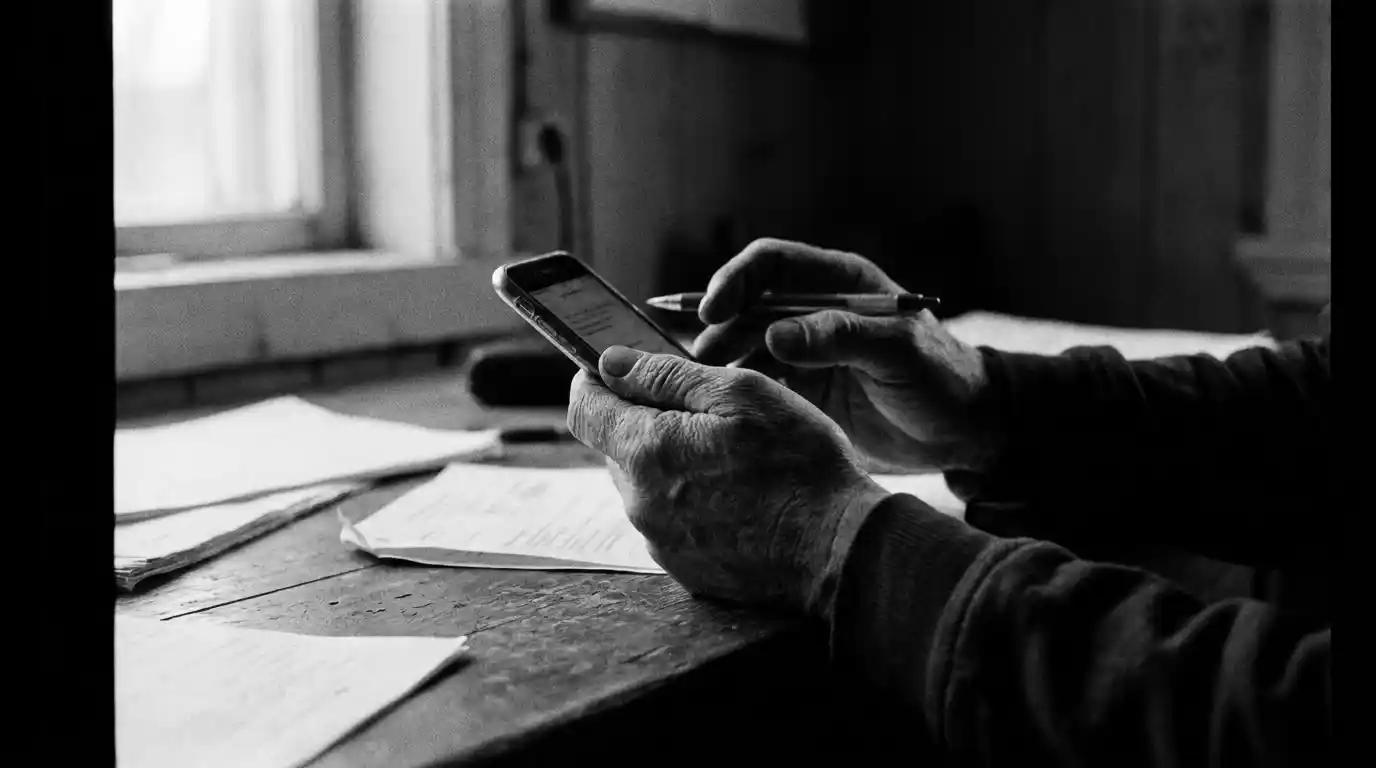
A lot of contractors ask the same question once ad costs start climbing: do we really need professional creative, or can we just shoot videos on an iPhone and run with that? The honest answer is that both can work, but they do not work the same way, and they definitely do not attract the same kinds of leads. For high-ticket home service contractors, the difference shows up in trust, lead quality, close rate, and job size. When we compare iPhone vs pro ads, we're not arguing about aesthetics alone. We're looking at which format helps generate booked estimates and premium projects, not just cheap clicks.
Why This Comparison Matters For High-Ticket Home Service Contractors
If you sell a $12,000 HVAC replacement, a $25,000 roof, a $60,000 basement finish, or a six-figure outdoor living project, creative quality matters more than many contractors think. Homeowners are not just buying labor. They're buying confidence, professionalism, safety, and a result they'll have to live with for years.
That's why iPhone vs pro ads is a real business decision, not a vanity debate. Low-friction, casual content can feel authentic. But premium projects often require a stronger trust signal. A polished ad can make a company look established before the first call ever happens.
This is especially true in competitive markets where homeowners compare three or four options fast. If your ad looks rushed, your company can feel rushed too. In our experience, the right creative choice supports the whole sales system, especially when paired with strong contractor marketing and fast follow-up that turns attention into appointments.
What iPhone Ads Usually Look Like In The Real World
In the real world, iPhone ads are usually simple job-site videos, owner selfie clips, before-and-after walkthroughs, truck footage, and quick talking-head offers. And to be fair, some of them perform well. They feel immediate. They feel local. They don't scream "agency."
For plumbers, roofers, landscapers, and remodelers, that raw style can work well in top-of-funnel campaigns. A contractor standing in front of a real project saying, "Here's what failed, here's how we fixed it," can stop a scroll better than a glossy generic spot.
But there are limits. Lighting is often bad. Audio is rough. Messaging rambles. The hook is weak. The ad may get attention without attracting the right buyer. We've seen DIY creative generate plenty of leads from price shoppers, tire-kickers, or people looking for tiny jobs instead of the higher-margin projects most contractors actually want.
That's the tradeoff: authenticity is useful, but unstructured authenticity can quietly lower lead quality. Whether the footage is shot on a phone or a cinema camera, the same rule decides whether it builds trust or kills it: it has to be your actual crew and your actual jobs. A staged handshake photo or a stock-model "technician" reads as fake the instant a homeowner notices, and once they notice, they start doubting the reviews and the pricing too. The two photo types that do the most work are simple: matched before-and-after shots of the same angle so the transformation is obvious, and in-progress crew photos, trucks, protective coverings, tidy job sites, that show the experience of having your company on-site, not just the finished result.
What Pro Ads Change In Lead Quality And Conversion Potential
Professional ads do more than make a business look polished. Done right, they change who responds. Better scripting, cleaner visuals, stronger editing, tighter offers, and more intentional calls to action help pre-frame value before the lead ever reaches your sales team.
For high-ticket home services, that matters. A well-produced ad can show craftsmanship, clean job sites, crew professionalism, warranty confidence, financing options, and the kind of homeowner experience that justifies a premium price. That's a different signal than "we do good work, call us."
Pro ads also create consistency across platforms. Your Google, YouTube, Meta, and landing page experience can feel like one brand instead of four disconnected pieces. That usually improves conversion rates after the click.
And if the campaign is built around exclusive lead flow rather than shared-lead marketplaces, the economics improve fast. A serious lead generation system combined with stronger creative tends to produce fewer junk inquiries and more estimate-ready homeowners, especially in categories like roofing, solar, concrete, and full-scale remodeling.
The Biggest Mistakes Contractors Make When Running DIY Creative
The biggest mistake is assuming that "real" automatically means "effective." It doesn't. A shaky video with no hook, no clear offer, and no audience targeting is still a bad ad.
Here are the patterns we see most often:
- Talking too long before making the point. Homeowners decide fast.
- No clear market positioning. If you're premium, your ad can't sound bargain-bin.
- No proof. No project footage, no testimonials, no process, no trust markers.
- Weak audio. People forgive imperfect video faster than muddy sound.
- Generic offers. "Free estimate" alone is not compelling anymore.
- No local relevance. Messaging in Utah County should not sound identical to messaging in Park City or Sugar House.
That last point gets missed constantly. A basement campaign in Eagle Mountain should speak to finishing unused space and structural concerns. A roofing ad in high-wind or snow-load zones should address premium materials and weather resilience. Strong marketing services are not just about producing content, they shape the message so the right homeowner responds.
How To Decide Whether iPhone Content, Pro Ads, Or A Hybrid Approach Fits Your Market
For most contractors, the best answer is not either-or. It's a hybrid.
If your market responds to personality and local credibility, iPhone content can be excellent for retargeting, testimonials, crew introductions, and quick educational clips. It feels human. It lowers perceived distance. It can be especially effective for emergency services and short decision cycles.
Professional ads usually make more sense when the ticket size is high, the sales cycle is longer, and the homeowner needs stronger reassurance. Think luxury landscaping, solar, design-build remodeling, premium roofing systems, or decorative concrete packages.
We typically look at four factors:
- Average job value
- Market competition
- Sales cycle length
- Brand maturity
If you're newer, raw content can help establish presence quickly. If you're trying to own a premium category, pro creative often helps compress trust-building. And if you want the strongest overall performance, use pro ads as the backbone and layer in iPhone footage to add authenticity. That combination often gives contractors the best of both worlds.
What To Measure Beyond Cost Per Lead
Cost per lead is useful, but it is nowhere near enough. Cheap leads can be expensive if they don't close. We'd rather pay more for inquiries that turn into profitable jobs than celebrate a low CPL from unqualified homeowners.
The better metrics are:
- Contact rate: How many leads actually answer?
- Booking rate: How many turn into estimates?
- Show rate: How many appointments happen?
- Close rate: How many estimates become sold jobs?
- Average job size: Are you attracting premium work or filler?
- Speed to lead: Are you following up in minutes, not hours?
This is where ad format connects to operations. Great creative can still fail if response time is slow. On the other hand, even modest creative can improve when paired with CRM automation, instant SMS follow-up, and strong local search visibility. The best campaigns tie creative into the full sales pipeline, supported by complete contractor services that focus on booked estimates and revenue, not vanity metrics.
Conclusion
When we look at iPhone vs pro ads for home service lead gen, the right answer depends on what you sell, who you want to attract, and how your sales process works. iPhone content can create authenticity. Pro ads can elevate trust and lead quality. For many high-ticket contractors, the smartest move is combining both, then judging success by booked estimates, close rate, and revenue, not just cheap leads.