 midas media.
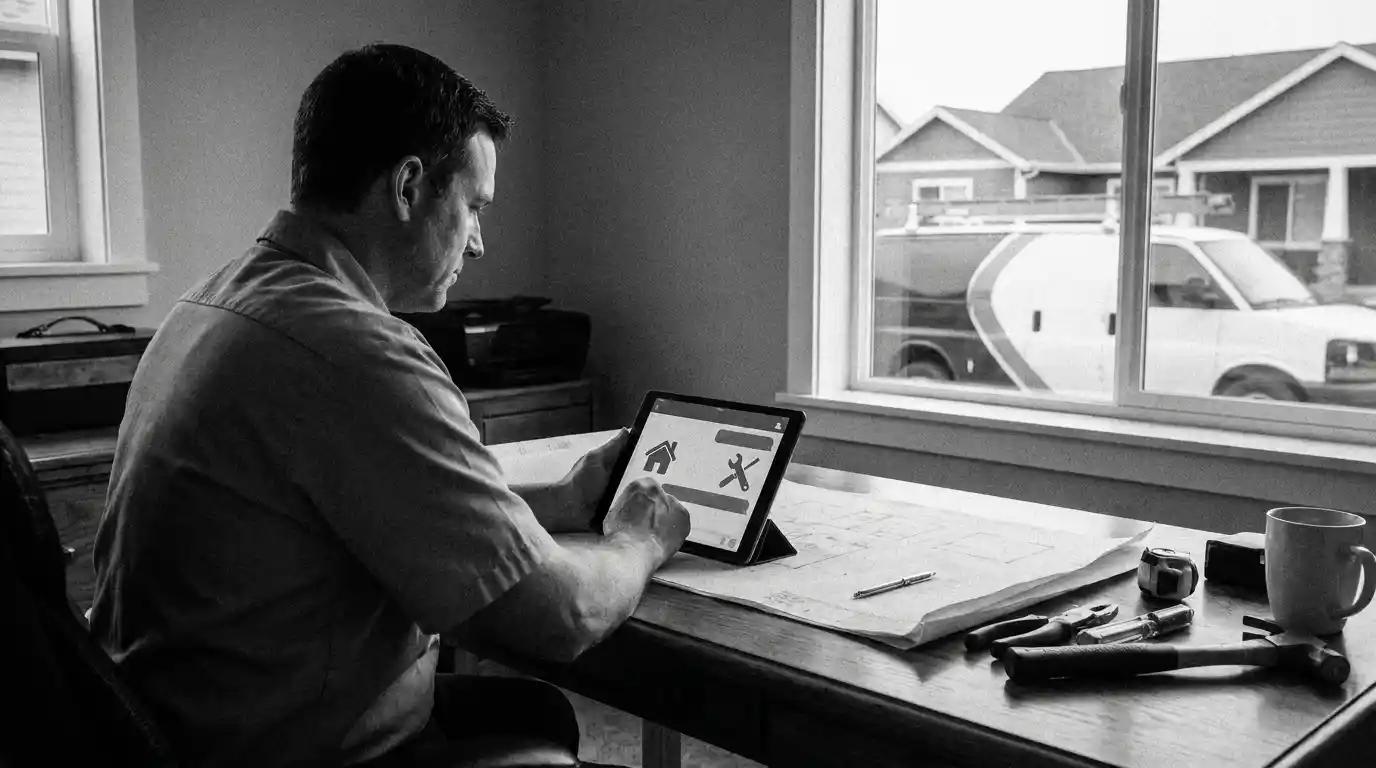
Most home service leads don't disappear because demand is weak. They disappear because nobody answers fast enough. In 2026, that gap is expensive. Homeowners expect immediate replies, online scheduling, and simple next steps, even when your crew is on a roof, in a crawlspace, or driving between estimates. That's where an AI chatbot for home services earns its keep. Used well, it doesn't replace your office. It helps us respond faster, qualify better, and book more of the high-ticket jobs we actually want, from emergency HVAC replacements to roofing storm damage and whole-home repipes.
What An AI Chatbot Does For Home Service Businesses
An AI chatbot for home services acts like a 24/7 digital receptionist that never lets an inquiry sit untouched. It can answer common questions, collect project details, route urgent requests, and push serious prospects toward a booked estimate.
For contractors, speed matters more than ever. A homeowner with a leaking water heater or a failed AC unit usually contacts multiple companies. If we respond in minutes while competitors reply an hour later, or the next morning, we often win before price even becomes the deciding factor.
The best chatbots don't just say, "Thanks, we'll be in touch." They ask smart questions: What service do you need? Is this urgent? What zip code are you in? Are you looking for repair or replacement? That information helps us separate tire-kickers from high-intent buyers.
For firms focused on exclusive lead generation, this is huge. Instead of buying shared leads and racing other contractors to the bottom, we can turn our own traffic into booked estimates through instant, structured conversations.
Where Chatbots Create The Biggest Wins Across The Customer Journey
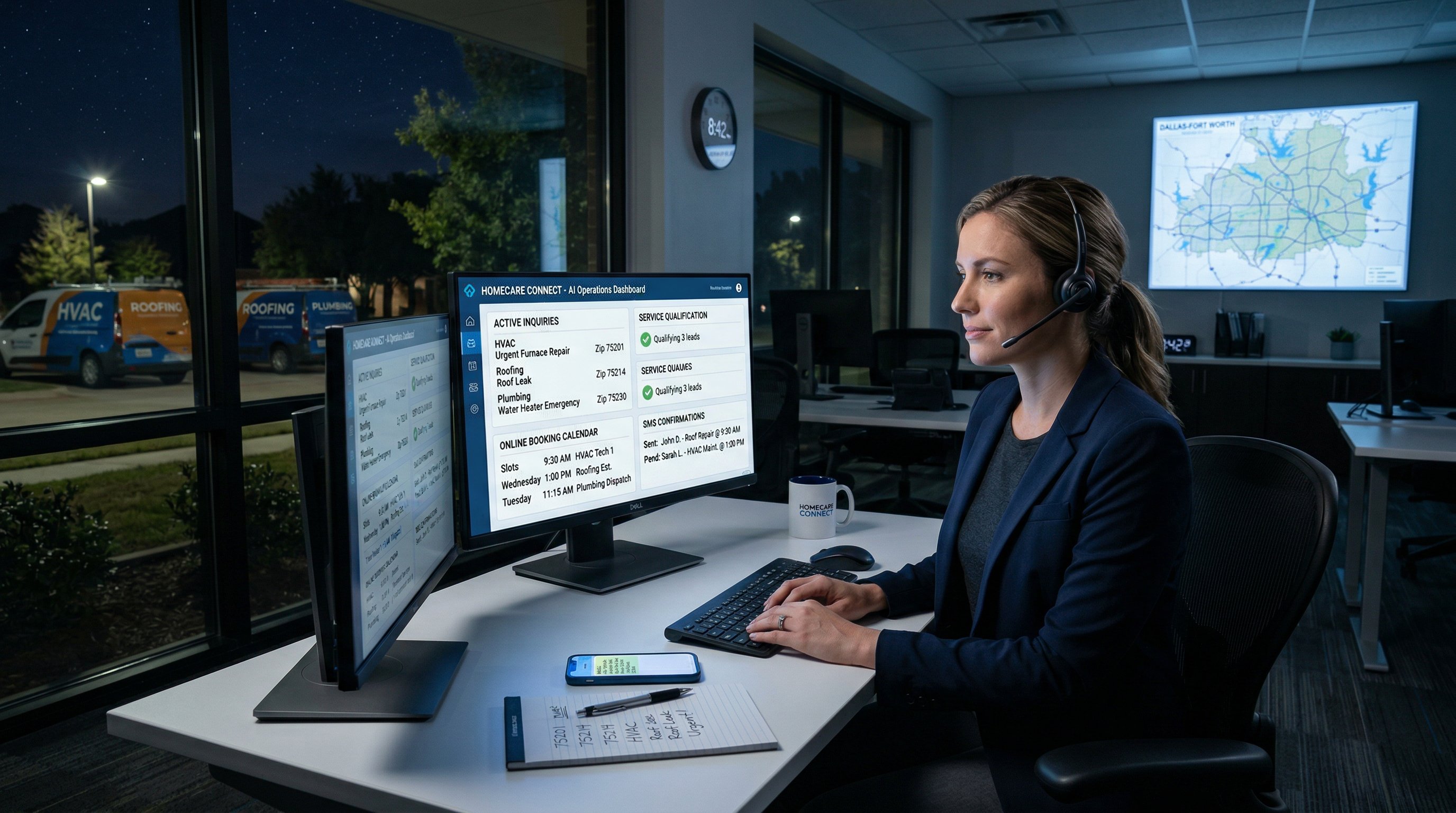
The value of chatbots shows up across the full customer journey, not just at first contact. They help us capture leads at the moment of intent, keep momentum moving, and reduce the silent drop-off that happens between inquiry and appointment.
For high-ticket services, that consistency matters. A roofing lead after a windstorm, a homeowner researching a furnace replacement, or a family planning a $75,000 basement finish all need a clear path forward. If the path is slow or confusing, they move on.
Done right, the chatbot becomes part of a larger lead machine alongside local SEO, Google Business Profile optimization, paid ads, SMS automation, and online booking. It's especially effective when traffic is already strong. More leads in means more opportunities to lose them, or convert them. The chatbot helps us do the latter.
Lead Capture, Qualification, And Instant Response
This is usually the biggest win. A chatbot can greet visitors the second they land on a page, ask what they need, and gather enough detail for us to prioritize the lead correctly.
For example, an HVAC company might ask whether the unit is fully down, the home's zip code, and whether the customer wants repair or replacement. A roofing company might ask whether the issue is storm-related, active leaking, or insurance-driven. A plumbing company can quickly identify emergency jobs versus planned repipes.
That instant interaction matters because homeowners interpret speed as professionalism. If we answer immediately, we feel available and organized. If not, we feel risky.
And the data gets cleaner. Instead of a vague form fill saying "Need quote," we receive context our sales team can actually use.
Scheduling, Follow-Up, And After-Hours Coverage
A lot of home service leads come in outside business hours. Nights, weekends, and lunch breaks are when homeowners finally have time to research contractors. If nobody responds until Monday morning, the lead may already be gone.
An AI chatbot closes that gap. It can offer scheduling windows, trigger instant SMS confirmations, answer basic service-area questions, and keep the conversation moving when the office is closed.
That's especially useful for contractors working in the field. We can't stop every install or estimate to text back every inbound lead. But the chatbot can hold the line until a human takes over.
It also improves follow-up. If someone visits a financing page, abandons a booking flow, or asks about premium options, the chatbot can prompt the next step. In practice, that means fewer missed estimates and more booked jobs from the traffic we already paid to generate.
How Roofing, HVAC, Plumbing, And Other Contractors Can Use AI Chatbots Differently
Not every trade should use the same chatbot script. The strongest results come when the conversation matches the economics and urgency of the service.
Roofers can use chatbots to capture storm damage leads fast, pre-screen insurance-related jobs, and ask about leaking, missing shingles, or wind exposure. In markets with snow loads and canyon winds, that kind of targeting helps position premium solutions instead of generic repairs.
HVAC contractors should lean into emergency demand and replacement intent. If a system is down during extreme weather, the chatbot should prioritize urgency, financing questions, and fast scheduling. For many companies, replacement leads are far more valuable than tune-ups, so the flow should reflect that.
Plumbers can split emergency dispatch from larger-ticket work like sewer lines, water heaters, and whole-home repiping. That prevents the office from treating every inquiry the same.
Landscaping, solar, flooring, concrete, electrical, and remodeling businesses benefit differently. Their chatbots should qualify budget, project scope, timeline, and property type. If we're targeting five- and six-figure outdoor living projects or $50,000 basement renovations, we want the chatbot to identify serious buyers early, not just collect names.
What To Look For In An AI Chatbot For High-Ticket Home Services
For high-ticket contractors, not all chatbot tools are equal. We should look for systems built to convert qualified opportunities, not just inflate lead counts.
First, it needs real qualification logic. A chatbot should ask trade-specific questions and route leads based on urgency, service area, job type, and intent. A generic website widget that says "How can I help?" isn't enough.
Second, it should connect with the rest of the pipeline: CRM, calendar, SMS, call tracking, and forms. If the chatbot captures a strong lead but nobody gets notified fast, the advantage disappears.
Third, after-hours performance matters. One of the biggest gains in contractor marketing comes from instant response when competitors are asleep. That's why we pair chatbot strategy with speed-to-lead systems and online booking.
Fourth, it should support local messaging. Contractors serving places like Lehi, Provo, Sandy, Park City, or South Jordan often need service-area filters, zip-code routing, and messaging that fits local homeowner concerns.
And finally, judge it by booked estimates, not vanity metrics. At Midas Media, that's the lens we care about. Exclusive territory, exclusive leads, and a system that helps turn search traffic into actual appointments is what moves revenue.
Conclusion
In 2026, an AI chatbot for home services isn't a novelty. It's part of a serious conversion system. When we use it to respond instantly, qualify intelligently, and book faster, we stop leaking expensive opportunities. For contractors chasing high-ticket jobs, that can be the difference between "more leads" on paper and more revenue in the bank.